
Every fall, the wellness internet fills up with immune boosters that promise more than they deliver. The research points to a shorter list, and you can start most of it this week!
Here is what we would put on the checklist before cold and flu season arrives in Austin.
1. Get your sleep schedule back on track
In one well-known study, adults who slept under six hours a night were about four times more likely to catch a cold after virus exposure than those who slept seven or more.
Keep a steady wake time and get outside for morning light to help regulate your body's internal clock.
If your family's routine still feels a little chaotic, check out our back-to-school guide for simple habits that help the whole family thrive.
2. Build meals around nutrients, not supplements
Fall is a great time to bring more seasonal variety to your plate. Think roasted sweet potatoes, winter squash, leafy greens, citrus, beans, and lean proteins. Vitamin C, zinc, vitamin D, and adequate protein all play important roles in normal immune function.
And don't forget your gut! A small Stanford study found that eating more fermented foods, such as yogurt, kefir, and kimchi, over 10 weeks increased gut microbial diversity and reduced several markers of inflammation.
Try adding a serving of fermented food to your meals alongside fiber-rich foods like lentils, chia seeds, and apples.
3. Give stress a daily outlet
Researchers found that people experiencing higher levels of stress were more likely to catch a cold after being exposed to a cold virus.
While you can't clear your entire fall calendar, you can make room for a daily stress outlet.
Try a five-minute breathing break, a walk without your phone, EFT Tapping, yin yoga, or mindfulness meditation.
The goal isn't to eliminate stress. It's to build small moments of recovery into your day.
4. Know Your Environmental Triggers
Sneezing and congestion don't always mean you've caught something. Here in Central Texas, seasonal allergies are common, but indoor irritants and damp, moldy environments can also contribute to respiratory symptoms.
Pay attention to patterns. Do your symptoms improve when you leave your home or work? Have you noticed musty odors or signs of water damage?
Our summer allergies and mold blog explores common environmental triggers and when further evaluation may be helpful.
5. Make Your Annual Wellness Visit Count
When was your last thorough wellness exam? Preventive care is an opportunity to review your overall health, discuss changes, and identify concerns early.
Our integrative physicians, Dr. Ashley Maltz and Dr. Julia Afridi, take a personalized approach, considering your health history, lifestyle, symptoms, and risk factors to determine which exams and laboratory tests make sense for you.
From newborns to older adults, we're here to support your health through every stage of life.
6. Improve Your Indoor Air Quality
Here's one that doesn't get enough attention: the air you're breathing at home.
Open windows when outdoor air quality and pollen levels allow, replace HVAC filters as recommended, and consider a properly sized HEPA air purifier for frequently used rooms.
We're proud to partner with Jaspr Air, whose home air purifiers are designed to capture airborne particles like dust, pollen, and mold spores.
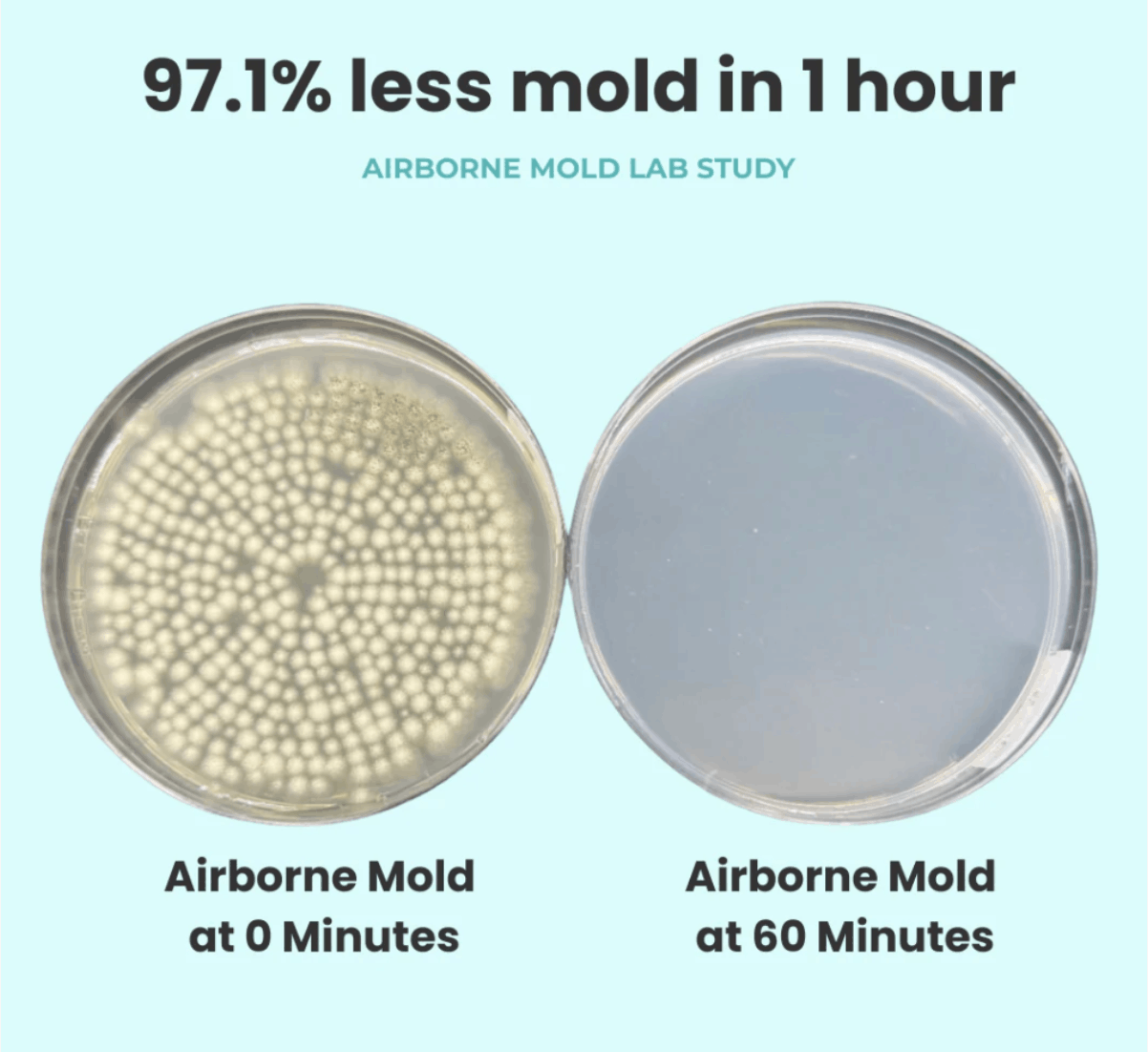
Use our affiliate link to learn more and save $300
*Discount applied at checkout*
A Healthier Fall Starts With a Plan That Fits You
If you would like help sorting out what applies to you, our West Holistic Medicine team would love to work with you.
Our integrative medicine practice in Austin, TX (and beyond) approaches preventive care as a conversation, so we can review your health history, talk through which labs make sense, and build realistic habits for the season.
Ready to Get Started?
Register or sign in online to book
Or call 512-814-0148
Sources:
Prather et al., Sleep, 2015: Short sleepers are four times more likely to catch a cold
Cohen et al., New England Journal of Medicine, 1991: Psychological stress and susceptibility to the common cold
Wastyk et al., Cell, 2021: Fermented-food diet increases microbiome diversity and lowers inflammation
Cochrane Review: Probiotics for preventing acute upper respiratory tract infections
Dietary Guidelines for Americans, 2025 to 2030: Oklahoma State Extension summary
Church et al., Frontiers in Psychology, 2022: Clinical EFT systematic review
CDC 2026 to 2027 flu vaccine guidance: Summary of CDC interim guidance
Nieman et al., British Journal of Sports Medicine: Exercise and upper respiratory infection
Share this article